
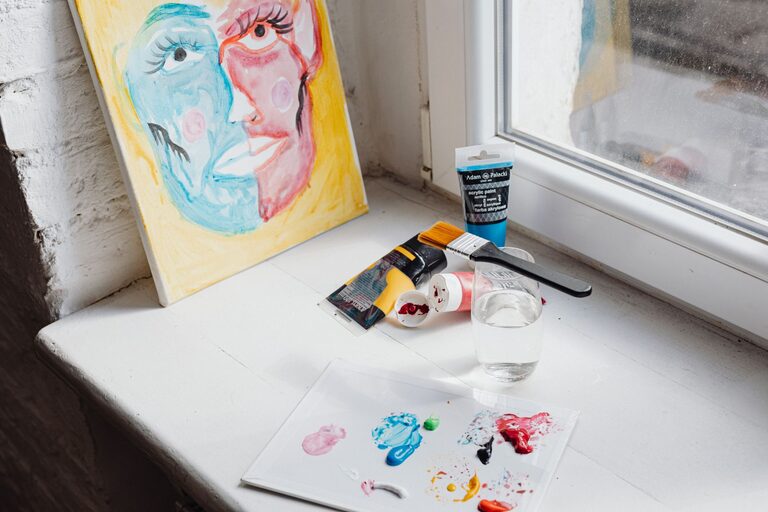
Creativity is not just the domain of artists or writers—it’s a skill everyone can develop and enjoy. Practicing creativity daily can help you solve problems, express yourself, and find more joy in everyday life. If you think creativity requires a special talent, think again! With a few simple habits, you can nurture your creative side and watch it grow.
In this post, we’ll explore straightforward ways to incorporate creativity into your daily routine. These ideas are practical and fun, designed to fit easily into busy schedules.
Why Practice Creativity Every Day?
Creativity helps in more ways than one. It encourages flexible thinking, improves problem-solving skills, and can even reduce stress. By making creativity a daily habit, you train your brain to approach challenges with fresh ideas. Plus, it can bring more excitement and fulfillment to your life.
Simple Ways to Boost Your Creativity
1. Keep a Daily Journal
Writing daily—even just a few lines—can spark creative thinking. Don’t worry about grammar or style; just write whatever comes to mind. You can jot down thoughts, ideas, dreams, or observations from your day.
Tips for journaling:
– Set aside 5–10 minutes each morning or evening.
– Use prompts like “What inspired me today?” or “What problem can I solve creatively?”
– Review your entries weekly to spot new ideas.
2. Try Something New Every Day
New experiences stimulate the brain and inspire creativity. This doesn’t mean you need to take up a new hobby daily, but small changes can make a big difference.
Ideas for new experiences:
– Take a different route to work.
– Try a new food or recipe.
– Listen to a music genre you don’t usually enjoy.
– Experiment with a new art medium or craft.
3. Practice Mindfulness and Observation
Being present helps you notice details others might miss. This heightened awareness can lead to creative insights.
How to practice:
– Spend a few minutes each day observing your surroundings without distractions.
– Focus on sounds, colors, textures, or smells.
– Use these observations as inspiration for writing, drawing, or problem-solving.
4. Use Creative Prompts
Prompts can jump-start your imagination and guide your focus.
Where to find prompts:
– Online creativity websites or apps.
– Books filled with writing or drawing prompts.
– Create your own list of prompts related to your interests.
Set a timer for 10–15 minutes and let your ideas flow freely.
5. Doodle or Sketch Freely
Drawing doesn’t need to be perfect or planned. Let your hand move without judgment, which can open new avenues of thought.
Tips for doodling:
– Keep a notepad or sketchbook handy.
– Use simple shapes, lines, or patterns.
– Try “blind drawing” where you don’t look at your paper much.
6. Collaborate and Share Ideas
Creativity often flourishes through connection. Sharing your ideas with others or working together can bring fresh perspectives.
Ways to collaborate:
– Join local or online creative groups.
– Attend workshops or meetups.
– Exchange feedback on projects with friends or colleagues.
7. Limit Distractions and Create a Dedicated Space
A clutter-free, quiet space can help your mind focus and innovate. Even small changes in your environment can make a difference.
Suggestions:
– Designate a spot in your home or office for creative work.
– Use headphones or calming music to minimize noise.
– Organize your materials so they’re easy to access.
8. Set Achievable Creative Goals
Goals give your creativity direction and motivation. They don’t need to be big—small, consistent steps count.
Example goals:
– Write a short poem or story once a week.
– Take one photo a day inspired by a theme.
– Create a simple craft project every weekend.
Tracking progress can boost your confidence and inspire you to keep going.
Overcoming Common Creative Blocks
Everyone experiences creative blocks from time to time. Here are some tips to help you move past them:
– Change your environment: A walk outside or a new setting can refresh your mind.
– Take breaks: Step away from your project and return with fresh eyes.
– Be kind to yourself: Remember creativity is a process, not a race.
– Try a different approach: Switch mediums or try brainstorming with a mind map.
Final Thoughts
Making creativity a part of your daily life doesn’t require hours of work or special skills. Simple, consistent actions can open your mind to new ideas and enrich your everyday experience. Start small, try a few of these ideas, and see how your creative confidence grows.
Remember, creativity is about exploration and enjoyment. Have fun with it, and don’t be afraid to experiment! Your creative practice can be a source of inspiration, relaxation, and personal growth.
—
What simple creative habit will you try today? Share your ideas and experiences in the comments!